finops
Azure Cost Controls in CI/CD: Shift-Left FinOps
How to put Azure cost controls into CI/CD pipelines — shift-left FinOps that catches cost regressions in pull-request review, not after deployment.
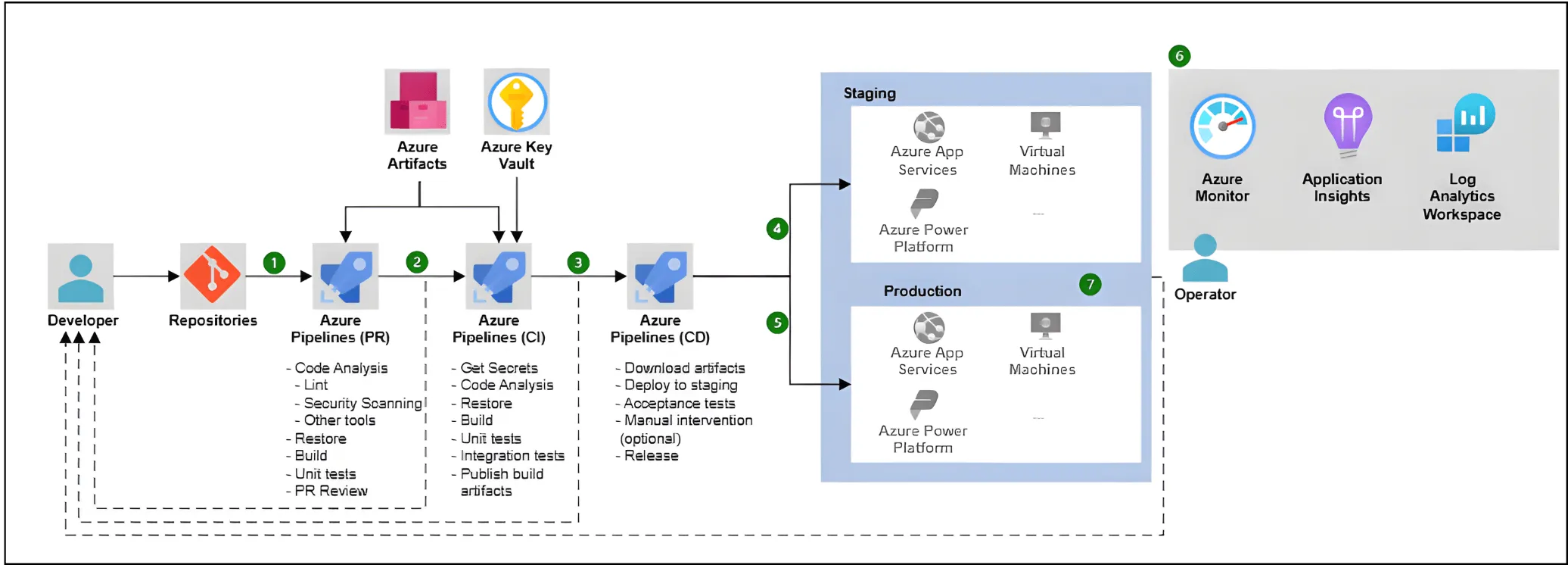
Azure cost controls in CI/CD pipelines stop waste before it reaches production. When engineering teams validate spend impact during pull request review, they avoid expensive surprises later, especially in Azure environments where infrastructure as code can spin up resources quickly.
Modern FinOps is not just about reporting after the bill arrives. It is about making cost a design constraint from the start. For Azure teams, that means embedding cost checks into build, test, and release stages rather than relying on manual reviews after deployment.
Why Azure cost controls in CI/CD pipelines matter?
Azure makes it easy to provision infrastructure at speed, which is great for delivery but risky when environments multiply without guardrails. Feature branches, preview environments, load tests, and temporary storage accounts can quietly inflate spend. The longer teams wait to review that spend, the harder it becomes to trace it back to a specific change.
FinOps guidance increasingly points to a shift-left model, where cost and policy decisions move closer to the point of engineering work. That matters in Azure, because infrastructure is often defined in code and deployed automatically. If the pipeline can catch a costly choice before merge or release, the business avoids unnecessary spend and rework.
This is where Azure cost controls in CI/CD pipelines support better collaboration. Engineering sees the financial impact of its choices, finance gets earlier visibility, and platform teams can enforce shared standards without becoming a bottleneck.
What to enforce before a deployment runs?
Azure cost controls in CI/CD pipelines work best when the rules are simple, repeatable, and visible to every contributor. They do not need to block innovation. They just need to stop obvious waste.
Budget checks and threshold alerts
Start with a budget check in the pipeline. If a change is expected to launch a new workload, compare the planned cost against the available budget scope. Azure Cost Management supports budgets and alerts, which makes it easier to wire spending thresholds into operational workflows. Use that signal to pause risky releases, trigger approvals, or notify owners before the deployment continues.
A strong pattern is to fail fast on high-risk changes and warn on medium-risk changes. That gives teams room to move quickly while still keeping cost controls practical and fair.
Policy, tagging, and naming standards
Cost governance becomes much easier when resources are tagged consistently. Pipeline checks can verify whether required tags are present, whether naming matches standards, and whether the deployment targets allowed SKUs or regions. This prevents wasted time later when finance teams need to allocate spend or investigate a spike.
Azure Policy is useful here, but it works best when paired with pipeline validation. The pipeline can catch the issue before deployment, while policy can stop anything that slips through. Together, they make the governance model more reliable than a single control alone.
Resource lifecycle and retention checks
Many cost leaks are not caused by the main workload. They come from what gets left behind. Test environments, deployment artifacts, containers, snapshots, and retained build outputs can accumulate over time. Add checks for retention settings, image expiry, and environment cleanup so temporary resources do not turn into permanent cost centers.
This matters just as much in Azure DevOps as in GitHub Actions. A release pipeline that keeps unnecessary runs, build artifacts, or test resources for too long creates hidden overhead. Clean lifecycle rules should be part of the control set, not an afterthought.
A practical implementation pattern for Azure teams
The best way to operationalize Azure cost controls in CI/CD pipelines is to layer them across the delivery lifecycle.
Pull request stage
At pull request time, validate infrastructure changes before merge. Check the template, parameters, tags, regions, and expected SKU sizes. If the change introduces a new environment, estimate the monthly spend and show it directly in the review.
Pre-deployment stage
Before deployment, run a gate that checks for budget headroom, policy compliance, and approval requirements. If a release targets production, require explicit sign-off when the cost delta exceeds the agreed threshold. That keeps the control model aligned with business risk, not just technical risk.
Post-deployment stage
After release, monitor actual spend against the forecast. Look for anomalies in resource growth, traffic spikes, and idle capacity. Azure cost controls in CI/CD pipelines stay useful only when post-deployment monitoring closes the loop and keeps the controls honest.
CloudMonitor.ai is built for exactly this kind of workflow. Its FinOps platform helps Azure teams improve visibility, cost allocation, and anomaly detection, so the same discipline used in the pipeline continues after deployment. You can explore the FinOps Platform, review Cost Optimization Features, or see the Live CloudMonitor Demo to understand how the workflow comes together.
How to keep the controls useful, not noisy?
Azure cost controls in CI/CD pipelines fail when they create too many false alarms. Keep the rules focused on meaningful risk, such as budget overruns, uncontrolled environment creation, missing tags, and oversized services. Then tune thresholds with engineering and finance together.
It also helps to use progressive enforcement. Start with warnings, move to approvals, and only then enforce hard blocks for high-impact releases. That approach builds trust and reduces resistance, especially when teams are still learning how their Azure choices affect spend.
Tools and references worth using
For the policy side, Microsoft’s Azure Cost Management budgets documentation is a useful starting point, and the cost alerts guide explains how to trigger alerts as spend rises.
For the operating model, the FinOps Foundation’s thinking on cost-aware product decisions reinforces why cost should be considered earlier in the delivery cycle, not after the release is already live.
Final thoughts
The most mature Azure teams do not wait for a monthly invoice to tell them what went wrong. They design cost controls in CI/CD pipelines so every release is checked against financial guardrails, policy standards, and lifecycle hygiene before it reaches production.
That shift-left mindset creates better releases, cleaner governance, and less budget waste. It also gives engineering teams more autonomy, because the rules are automated, transparent, and repeatable. Azure cost controls in CI/CD pipelines become a day-to-day engineering habit rather than a once-a-month review.
Ready to make cost checks part of every release?
CloudMonitor.ai helps Azure teams enforce cost controls, improve visibility, and catch anomalies before they become bill shock.
Keep reading
Finops
FinOps Framework 2026 Explained for Azure Users
FinOps Framework 2026 explained for Azure users — what's new, how to apply it, and the structural shifts that broaden FinOps beyond cloud spend.

Finops
Why FinOps as Code Is the Future of Cloud Cost Management
FinOps as Code embeds cost policies into CI/CD pipelines — tagging enforcement, idle-resource shutdown, and cost-per-feature metrics, no dashboards required.
Finops
Integrating FinOps with DevOps for Enhanced Cloud Efficiency
How to bring financial accountability into the DevOps lifecycle — making cost data visible, actionable, and continuous across the delivery pipeline.