cost allocation
How to optimize the allocated resource costs?
How to optimize allocated resource costs in the cloud — tagging discipline, cost-center alignment, and the chargeback model that drives accountability.

As organizations increasingly migrate their software and infrastructure to the cloud, optimizing allocated resource costs becomes a critical focus. Cloud computing offers scalability and flexibility, but without proper management, it can lead to spiraling costs. In this article, we’ll explore how to optimize resource allocation using cloud optimization tools, focusing on strategies that can yield tangible cost savings.
1. Right-Sizing Resources
One of the most effective ways to reduce cloud costs is by right-sizing your resources. Often, applications run on over-provisioned virtual machines (VMs) or use excessive storage, resulting in unnecessary expenses. Cloud optimization tools can help by:
Analyzing resource utilization: Identifying underutilized VMs, storage, and databases.
Recommending optimal configurations: Suggesting smaller instance sizes or fewer instances based on usage patterns.
2. Autoscaling for Dynamic Workloads
Autoscaling automatically adjusts the amount of computational resources available to an application based on traffic or demand. This ensures you’re not paying for idle resources during low-demand periods, while still handling traffic spikes.
- Horizontal scaling adds more instances of a resource.
- Vertical scaling increases the power of existing instances.
By using tools that configure autoscaling based on usage thresholds, organizations can minimize resource waste.
3. Leverage Spot Instances
Spot instances or preemptible VMs allow you to take advantage of unused cloud capacity at a significantly lower cost, sometimes up to 90% off the regular price. While these instances can be terminated by the cloud provider with short notice, they are ideal for fault-tolerant, non-critical workloads.
Strategies for Spot Instance usage:
- Run batch processing tasks
- Use for development and testing environments
- Distribute workloads across multiple regions for redundancy
4. Monitor and Optimize Cloud Storage
Storage costs can accumulate quickly, especially if unused or infrequently accessed data is stored in premium storage tiers. Cloud storage optimization involves:
- Identifying cold or rarely accessed data and moving it to a lower-cost storage tier (e.g., Azure Blob Storage Archive tier).
- Automating lifecycle policies to archive, delete, or transition data based on business rules.
5. Implement Reserved Instances (RIs)
For predictable workloads, reserved instances offer significant savings. By committing to a specific instance type for a one- or three-year term, you can achieve discounts of up to 75% compared to on-demand pricing.
Cost optimization strategy: Combine reserved instances for steady-state workloads and spot instances for dynamic workloads to achieve cost efficiency.
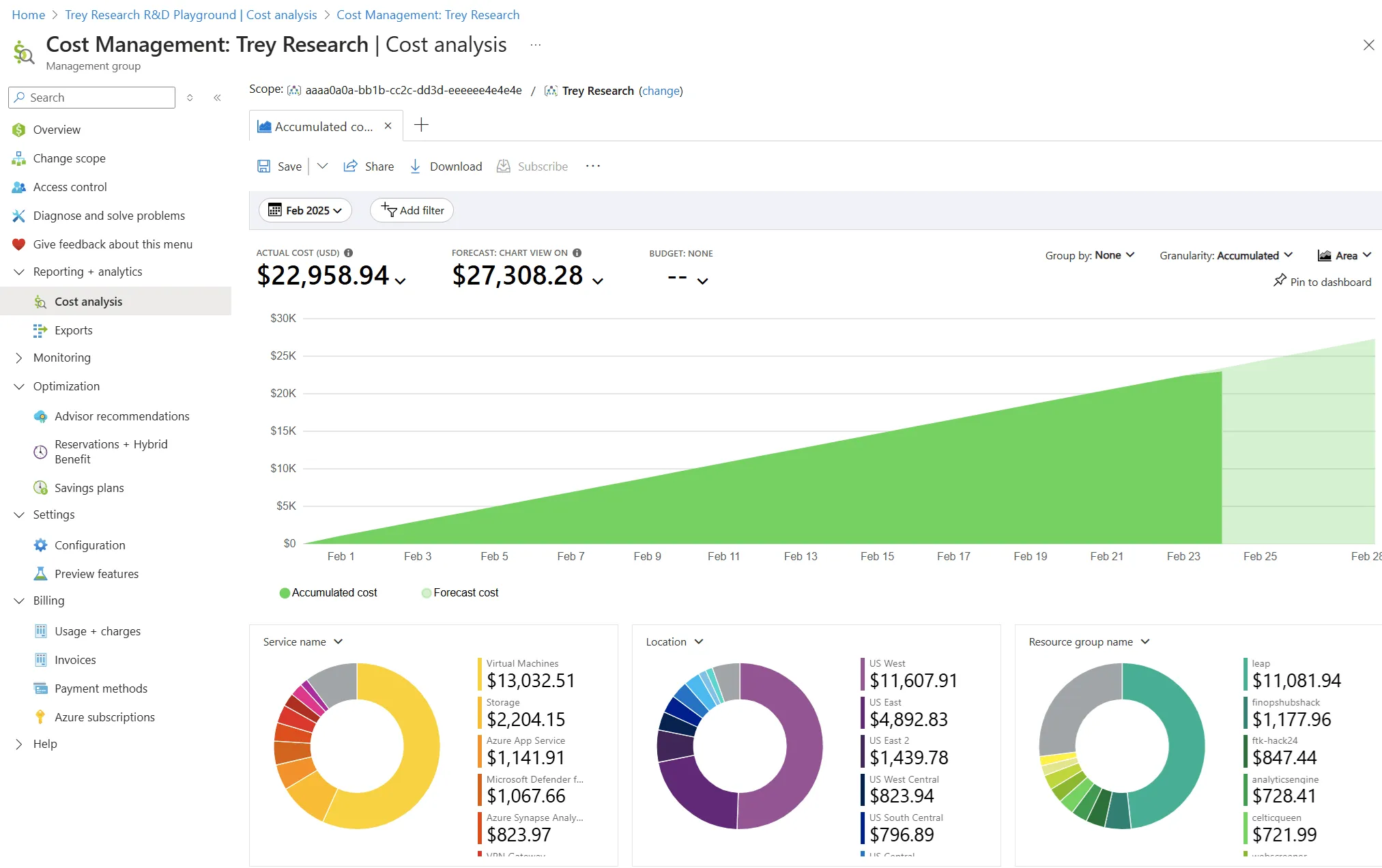
6. Utilize Cloud Cost Management Tools
Cloud providers offer built-in cost management tools to help you monitor, forecast, and optimize your resource costs:
- Budgeting and alerts: Set up cost budgets with notifications when nearing thresholds.
- Cost allocation tags: Use tags to categorize and track costs by project, department, or application.
- Analyzing usage trends: Gain insights into historical usage patterns and forecast future costs.
7. Continuous Monitoring and Auditing
Optimization is not a one-time activity. Implementing continuous monitoring and periodic auditing ensures that any over-provisioned resources, outdated instances, or unused services are identified and corrected regularly. Cloud optimization tools can automate this process, providing real-time insights and recommendations.
8. Enable Multi-Cloud Cost Optimization
For organizations using multiple cloud providers, multi-cloud management tools provide a centralized view of all cloud resources and costs. These tools help you compare prices, optimize workloads across providers, and leverage the best cost-effective solutions for specific tasks.
Cost benefits: Use the most affordable services across providers while maintaining operational efficiency.
Check out CloudMonitor feature, The ‘Recently Created’ resources report enables you to quickly identify the newly created resources in your organization or business unit and verify if they comply with your organization’s standards or policies.
Conclusion
Optimizing allocated resource costs in cloud environments requires a combination of right-sizing resources, leveraging autoscaling, utilizing spot instances, and taking advantage of reserved pricing models. Cloud optimization tools provide the insights and recommendations necessary to continuously monitor and refine your cloud usage. By incorporating these strategies, organizations can achieve significant cost savings without sacrificing performance or scalability.
Try our live demo to discover how CloudMonitor can help your organization in saving money on cloud cost spending.
Keep reading

Cost Allocation
Cost Tagging Strategy Guide: 10 Best Practices in 2024
Ten cost-tagging best practices for 2024 — standardized tag schemas, stakeholder alignment, and automation that makes chargeback actually work.

Cost Allocation
Azure Tagging Strategies and Best Practices
Azure tagging strategies that hold up in production: tag schemas, enforcement policies, and patterns that prevent unallocated cost from creeping in.
Cost Optimization
Azure Costs Out of Control? 5 Warning Signs and How to Fix Them
Five warning signs your Azure spend is spiralling — and the FinOps governance controls that bring it back under control.