Cloud Computing
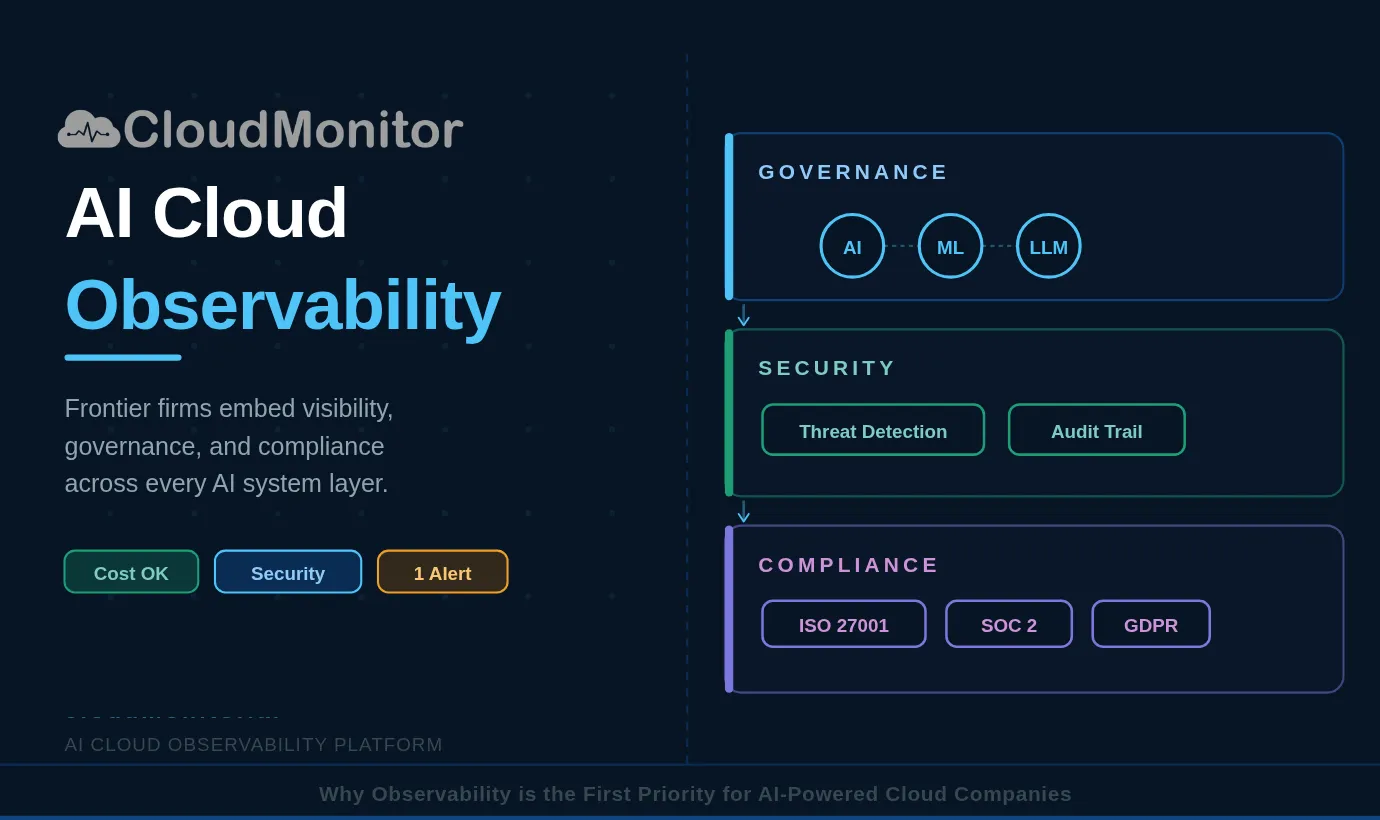
Observability for AI-Powered Cloud
Why AI cloud observability is the foundation for scaling machine learning, autonomous agents, and AI-driven services without losing control.
Cloud Computing
Why AI cloud observability is the foundation for scaling machine learning, autonomous agents, and AI-driven services without losing control.
Cost Optimization
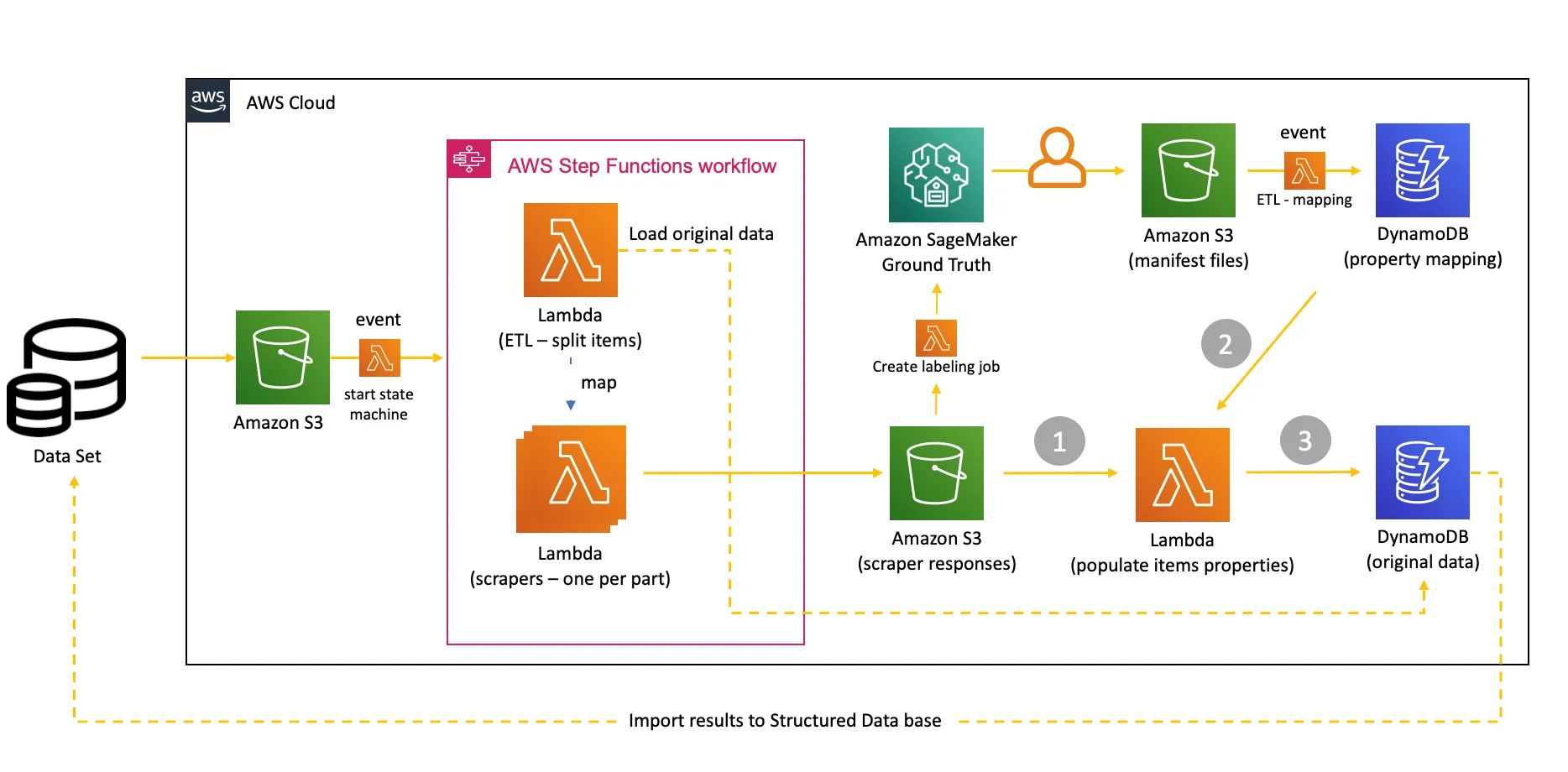
Serverless cost optimization across AWS Lambda, Azure Functions, and Google Cloud Functions — when the pay-per-use model bites and how to control it.
Cloud Computing
How to integrate FinOps into AI and ML pipelines — cost-aware experimentation, training-job tracking, and the spend signals that reach data scientists.

Cloud Computing
How to use spot instances safely — workload selection, eviction handling, and the architectural patterns that keep performance reliable on spot pricing.
Cloud Computing
A strategic approach to cloud migration and modernization: assessment, prioritisation, security-first staging, and the cost guardrails that protect ROI.

Cost Saving Tip
Azure Reservations vs Savings Plans, compared: pricing model, flexibility, break-even point, and which one fits which kind of workload.

Cloud Computing
Five limitations of a tactical, short-term approach to cloud cost management — and what changes when FinOps becomes a long-term operating discipline.
Cloud Computing
Why platform engineers should treat infrastructure optimization as a first-class responsibility — operational efficiency, cost, and platform reliability.
Cloud Computing
AWS now prohibits selling discounted Reserved Instances on the Marketplace. What the policy change means for your RI strategy and how to adapt.

Finops Framework
The FinOps Foundation's six principles, explained: collaboration, ownership, business value, accessible data, central team, and variable cost models.

Cloud Computing
Five cloud cost models compared — pay-as-you-go, reserved, savings plans, spot, and committed-use — and which workloads suit each.
Cloud Computing
The three components that drive cloud computing costs — compute, networking, and storage — and how each is priced across AWS, Azure, and GCP.

Pricing
Pay-as-You-Go, Reserved Instances, and Spot — the three Azure pricing models compared, with guidance on which fits which workload.

Cost Saving Tip
Azure Free Tier explained: 12 months of free services, the $200 starter credit, products that stay free forever, and the limits to plan around before you scale.

Pricing
Azure networking costs decoded: how Virtual Network, VPN Gateway, and bandwidth charges are calculated, and where teams typically overpay.

Cloud Computing
Capital expense vs operating expense — the trade-offs behind on-prem CapEx and cloud OpEx, and which model wins for which kind of organisation.
Cloud Computing
Data lake vs data warehouse: storage formats, query patterns, governance models, and which workloads belong in each.
Multicloud
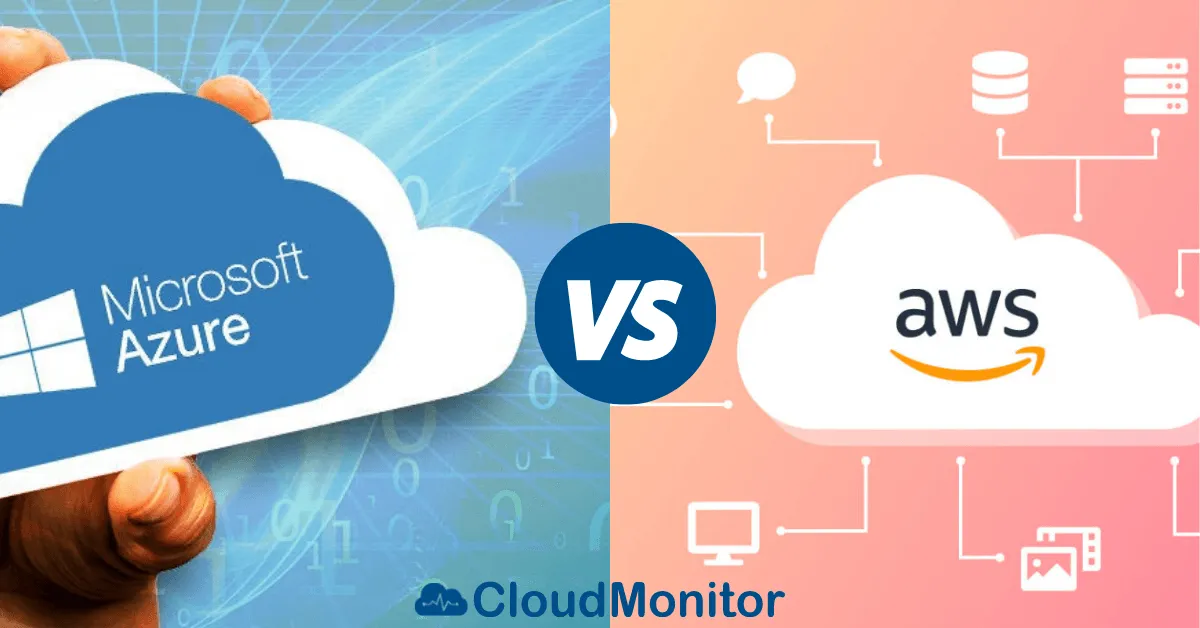
Azure vs AWS, side by side: market share, service breadth, pricing models, and how to pick the right platform for your workloads.

Reservations Ris
What every Azure team should know about Reservations: 16 supported services, 1- and 3-year terms, and when commitment discounts beat pay-as-you-go.

Cost Optimization
Part 2: how to cut zombie resources, overprovisioned VMs, and pay-as-you-go waste — plus Azure Reservations strategies for sustained savings.