cloud computing
Five Elements of Continuous Azure Infrastructure Optimization
Five elements that turn Azure optimization from a one-time project into a continuous discipline: budgeting, monitoring, tagging, automation, governance.
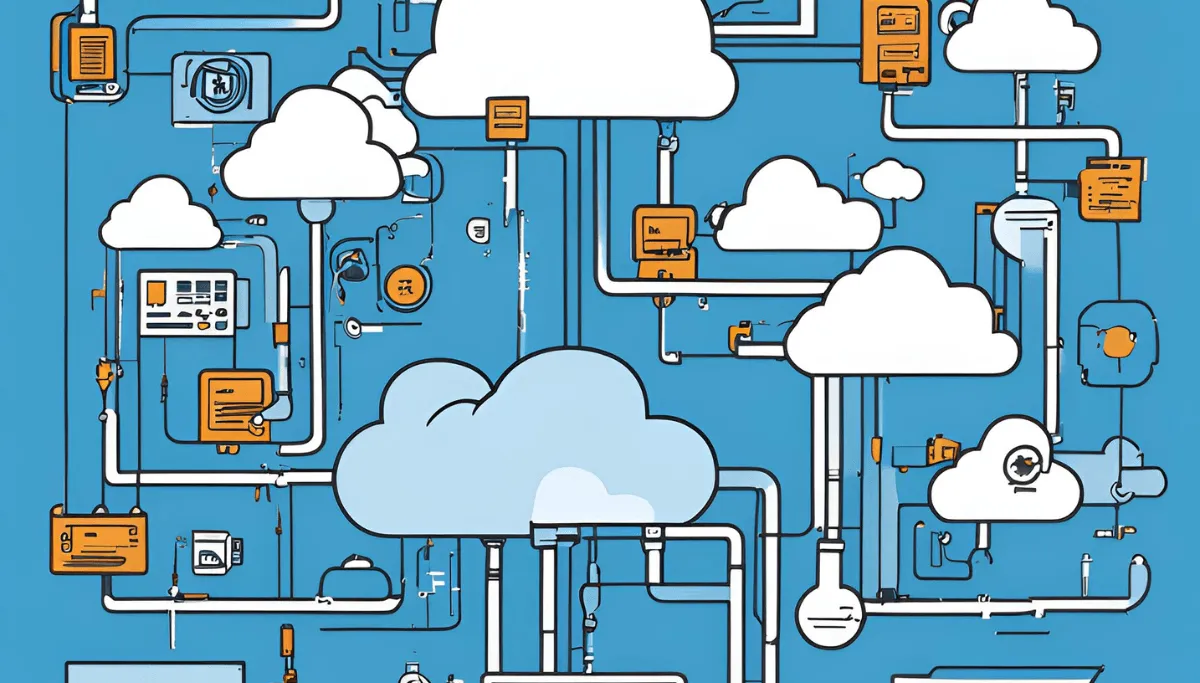
Continuous optimization of your Azure infrastructure is key to ensuring that your resources are cost-efficient, performant, and aligned with the changing demands of your business. By focusing on a few critical elements, organizations can achieve ongoing improvements and maintain optimal use of their cloud investments. Below are the five critical elements to achieving continuous optimization of your Azure infrastructure:
1. Comprehensive Cost Management and Budgeting
Azure offers a robust set of tools for monitoring and managing cloud costs, such as Azure Cost Management and Billing. However, continuous optimization requires more than just tracking your monthly bill. You need to implement detailed budgets, leverage cost alerts, and analyze cost drivers to identify savings opportunities proactively.
Actionable Tips:
- Use Azure Budgets to set spending limits and receive notifications when thresholds are reached.
- Regularly review: cost analysis to understand where expenditures are going and identify underutilized resources.
- Implement automated: cost recommendations via Azure Advisor to reclaim unused resources and resize VMs as necessary.
2. Performance Monitoring and Autoscaling
Ensuring that your Azure infrastructure performs efficiently under varying loads is vital. One of the best ways to achieve this is by implementing autoscaling rules and continuously monitoring performance metrics like CPU, memory, and disk I/O.
Actionable Tips:
- Use “Azure Monitor” to track performance metrics and set up alert rules for threshold breaches.
- Implement “autoscaling” for compute resources like Virtual Machines and App Services to adjust capacity based on traffic and workload.
- Review “performance insights” regularly and adjust scaling rules to avoid both underutilization and overprovisioning.
3. Resource Tagging and Governance
Without proper tagging and governance, it can be challenging to track resource usage, costs, and compliance effectively. Proper tagging enables you to group resources by department, application, or project, making it easier to manage cost allocation, security, and optimization efforts.
Actionable Tips:
- Create a “consistent tagging policy” across all resources to categorize them by environment (e.g., dev, test, prod), owner, and application.
- Implement “Azure Policy” to enforce compliance and automatically apply tags to resources where they are missing.
- Use “Azure Resource Graph Explorer” to query tagged resources, making reporting and optimization easier to manage.
4. Security and Compliance Management
While optimization primarily focuses on performance and cost, security and compliance are critical to avoid disruptions and unexpected costs related to breaches or compliance violations. Regularly reviewing and improving security postures ensures that your infrastructure is not only optimized but also secure.
Actionable Tips:
- Use “Azure Security Center” to assess your current security posture and receive recommendations for improvement.
- Implement “Azure Policy” to ensure compliance with industry regulations and organizational standards, ensuring resources follow best security practices.
- Regularly audit and optimize “identity and access management” (IAM) policies to minimize the attack surface.
5. Automation and DevOps Integration
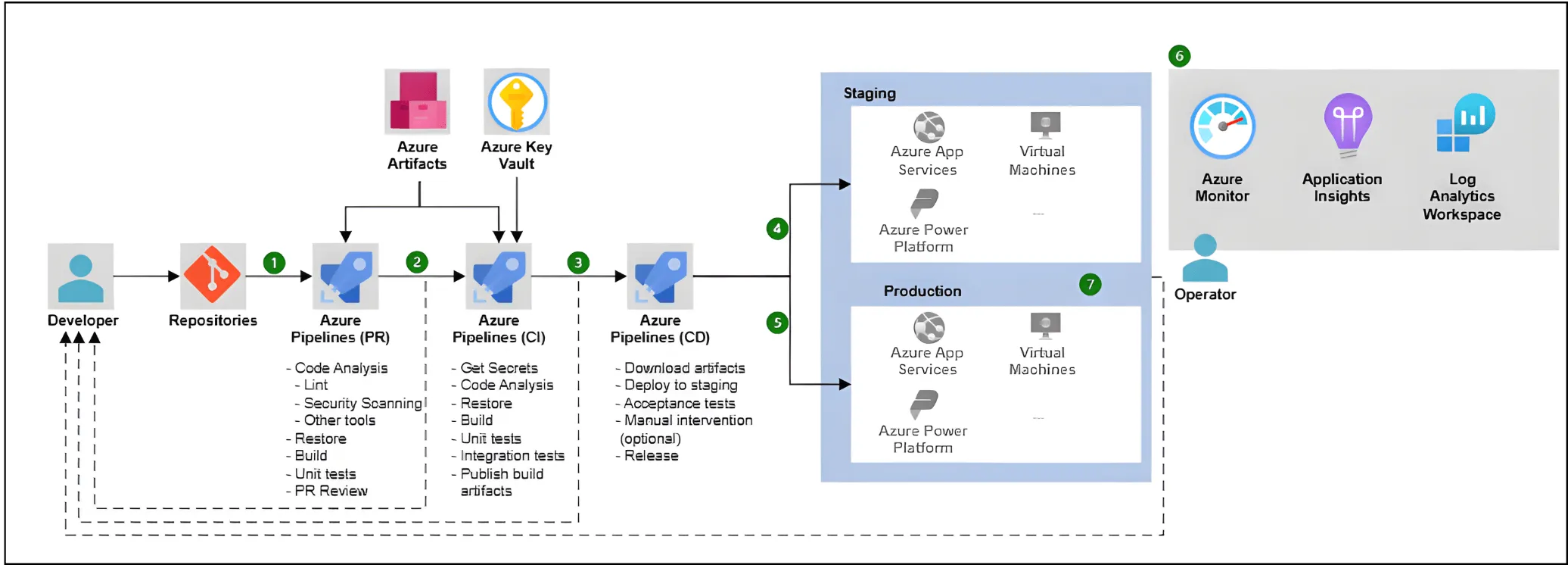
Automation is essential to ensure continuous optimization without human intervention. By integrating Azure automation tools and DevOps practices, such as Infrastructure as Code (IaC) and Continuous Integration/Continuous Delivery (CI/CD), you can streamline operations and ensure consistency across deployments.
Actionable Tips:
- Use “Azure Automation” to schedule resource cleanups, apply patches, and automate scaling operations.
- Implement “Infrastructure as Code (IaC)” using tools like Terraform, ARM templates, or Bicep to ensure consistent infrastructure deployment and management.
- Integrate “CI/CD pipelines” with Azure DevOps or GitHub Actions to automate the deployment of optimized resources and updates.
By focusing on these five critical elements—cost management, performance monitoring, resource tagging, security, and automation—you can ensure continuous optimization of your Azure infrastructure. This proactive approach not only improves the efficiency of your infrastructure but also helps to align your resources with evolving business needs, keeping your cloud environment agile and cost-effective over time.
Keep reading

Frugal Architecture
Architecting an Azure FinOps Solution at Scale – Part 1 of 4
How to design a data-warehousing solution that processes Azure billing data at scale and turns it into FinOps reports. Part 1 of 4.
Finops
FinOps Framework 2026 Explained for Azure Users
FinOps Framework 2026 explained for Azure users — what's new, how to apply it, and the structural shifts that broaden FinOps beyond cloud spend.
Finops
Azure Cost Controls in CI/CD: Shift-Left FinOps
How to put Azure cost controls into CI/CD pipelines — shift-left FinOps that catches cost regressions in pull-request review, not after deployment.