Finops
FinOps Framework 2026 Explained for Azure Users
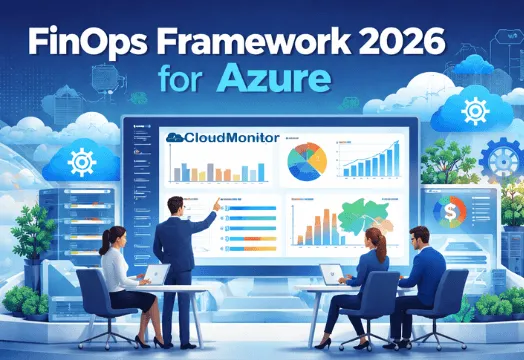
FinOps Framework 2026 explained for Azure users — what's new, how to apply it, and the structural shifts that broaden FinOps beyond cloud spend.
Finops
FinOps Framework 2026 explained for Azure users — what's new, how to apply it, and the structural shifts that broaden FinOps beyond cloud spend.
Finops
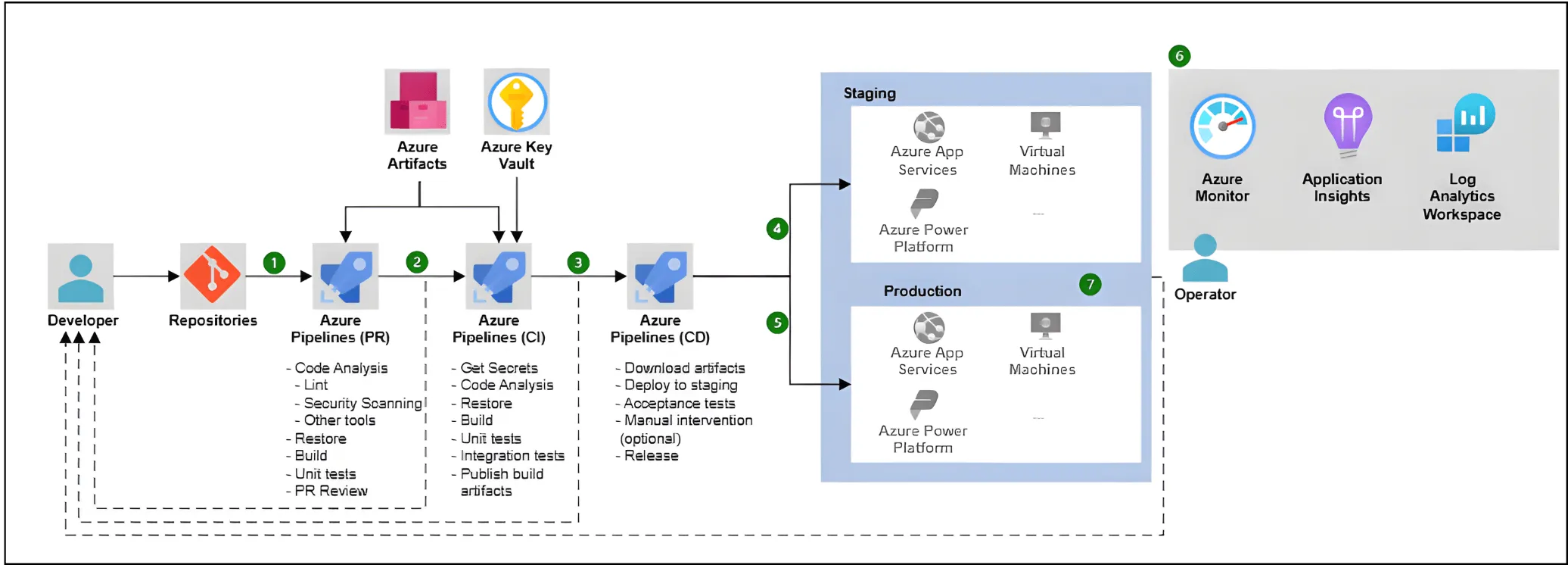
How to put Azure cost controls into CI/CD pipelines — shift-left FinOps that catches cost regressions in pull-request review, not after deployment.
Finops
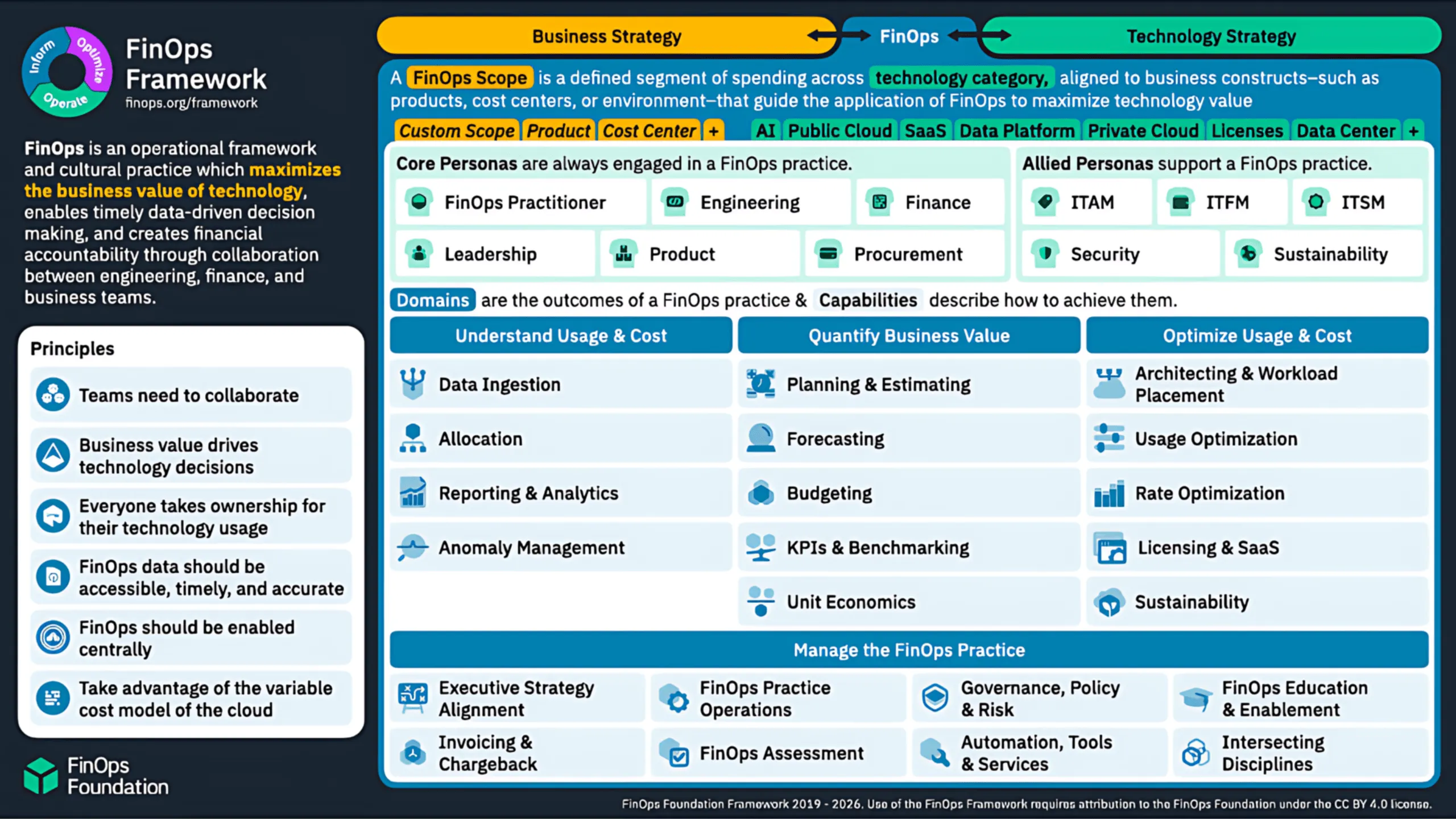
FinOps Cloud+ — the FinOps Foundation's expansion beyond public cloud into SaaS, data centres, AI, and licensing. What it means for Azure teams.

Finops
FinOps as Code embeds cost policies into CI/CD pipelines — tagging enforcement, idle-resource shutdown, and cost-per-feature metrics, no dashboards required.

Finops
Stare at a cloud bill long enough and patterns emerge — not just in spend but in engineering behavior. What your bill says about your team's habits.

Finops
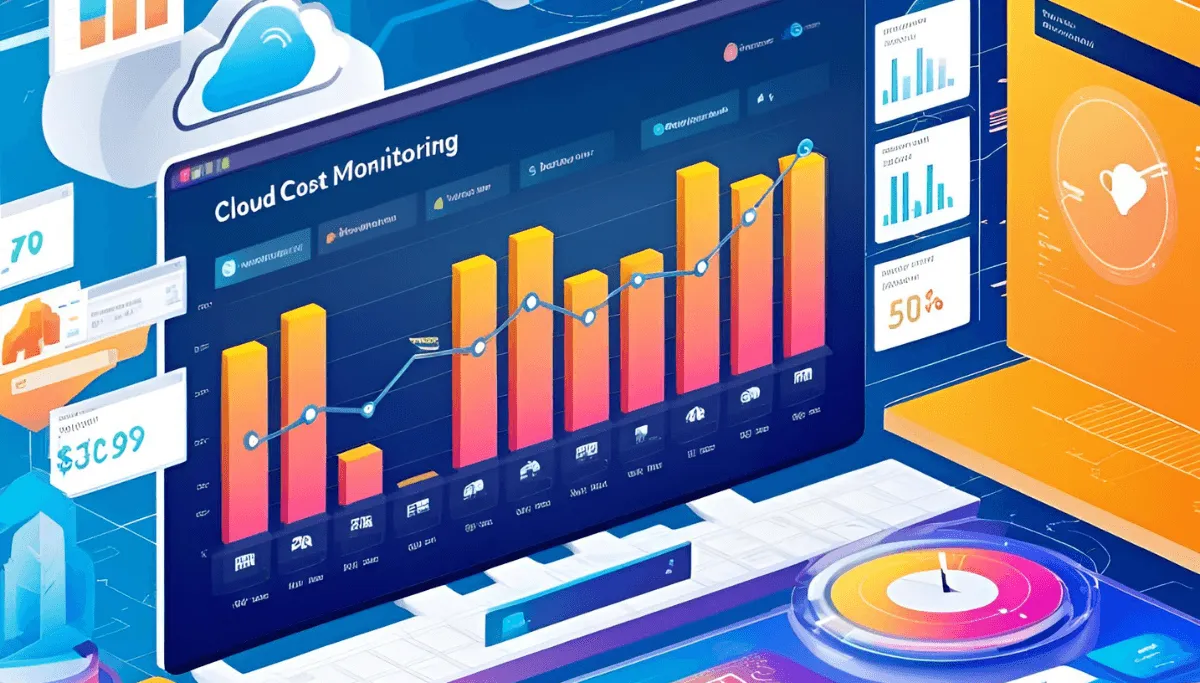
Cloud monitoring beyond uptime: why a green tick on the server dashboard doesn't catch waste, and what real FinOps observability looks like.
Finops Framework
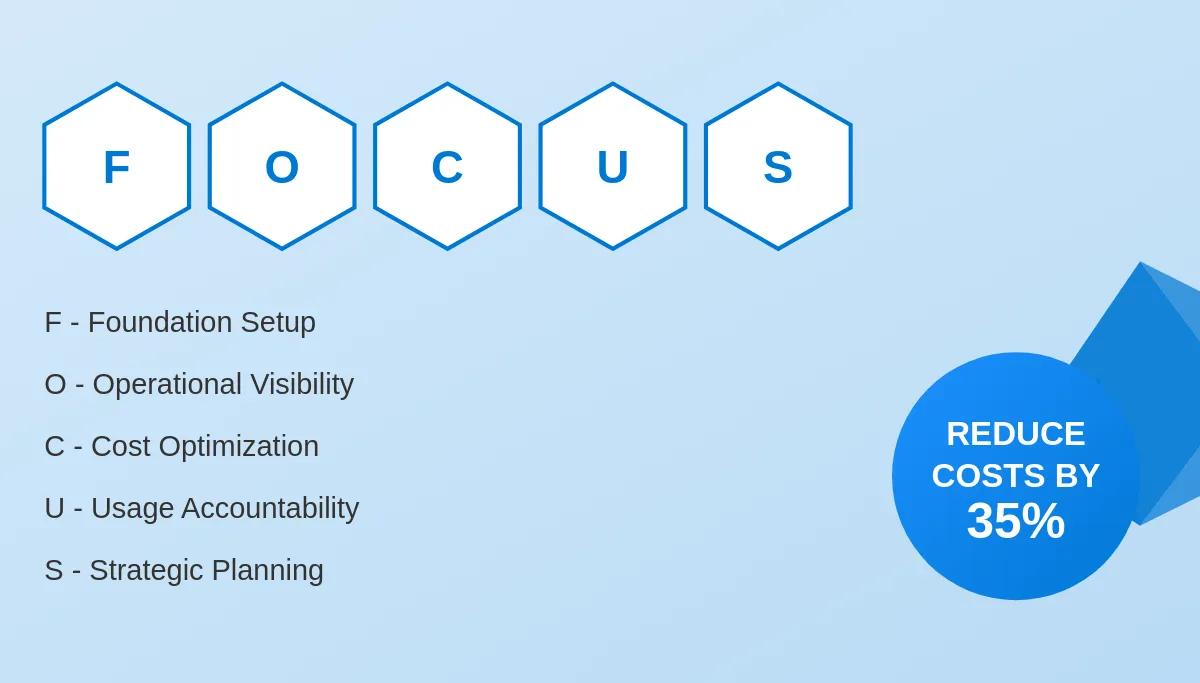
How to implement the FOCUS specification on Azure: tagging policies, cost allocation, and the structure that brings clarity to multi-cloud billing.
Finops
How to bring financial accountability into the DevOps lifecycle — making cost data visible, actionable, and continuous across the delivery pipeline.
Finops Framework
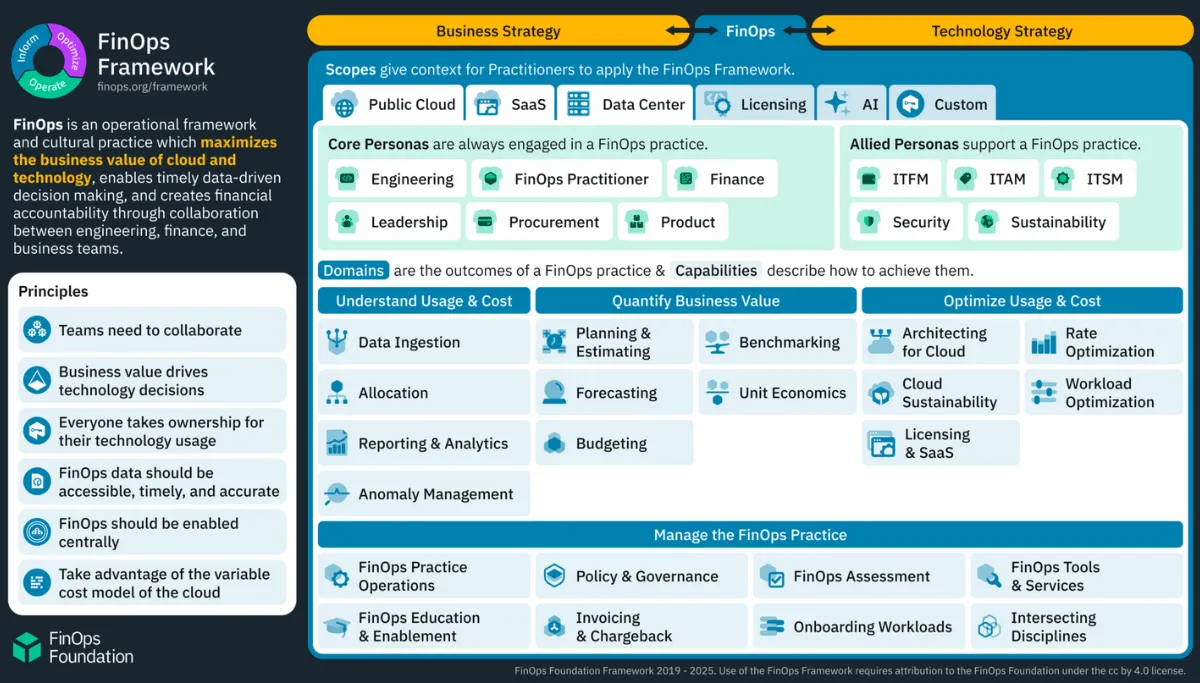
Scopes, revised principles, and renamed domains — the three structural changes in the 2025 FinOps Framework and what they mean for Azure teams.

Finops
The essential pillars of FinOps: financial accountability, engineering ownership, and the domains that turn cloud cost control into shared discipline.

Cloud Computing
Five elements that turn Azure optimization from a one-time project into a continuous discipline: budgeting, monitoring, tagging, automation, governance.

Finops
Five common Cloud FinOps challenges — visibility gaps, broken tagging, missed commitment discounts, slow approvals, stale data — and how to fix each.

Finops
FinOps vs the old way of cost management — the shift from siloed, reactive reviews to a collaborative, proactive discipline shared by every team.

Finops
Six FinOps KPIs that move the needle on cloud margins — coverage, utilization, unit cost, anomaly response time, and the two most teams skip.

Finops
How to incorporate FinOps into the DevOps lifecycle — embedding cost as a first-class metric across build, deploy, and runtime stages.

Finops
Five real examples of companies gamifying FinOps — leaderboards, savings dashboards, and the team rituals that made cost accountability stick.

Finops
Five essentials every FinOps team needs to drive savings: cost management tooling, clear ownership, automation, executive sponsorship, and KPIs.

Finops
Five core FinOps principles applied inside the software development lifecycle — how engineering teams turn cost ownership into a daily habit.

Finops
Tips and best practices for automating FinOps: tagging enforcement, anomaly detection, scheduled shutdowns, and the workflows worth not automating.

Release
June 2024 release: FOCUS 1.0 compliance, GCP cost ingestion, anomaly change logs, and a refreshed Microsoft 365 reports dashboard.
Event
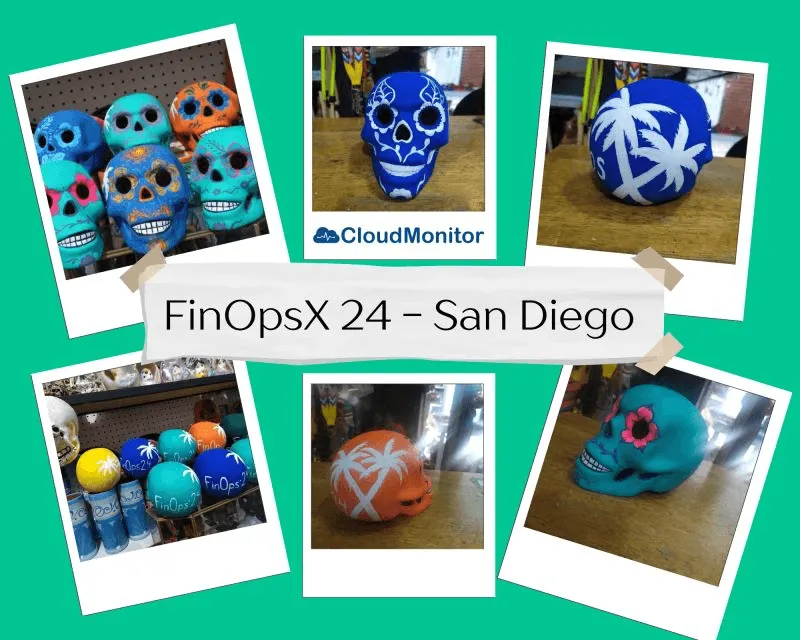
CloudMonitor is at FinOpsX 2024 in San Diego, booth B3 — come grab a custom FinOpsX Calavera (only 10 in the world) and chat about Azure spend.

Release
April 2024 release: new CloudMonitor FinOps reports — Microsoft 365 usage, VM licenses, recently-created resources, costs by tag, and more.

Release
March 2024 release: M365 Usage Analytics with TCO across all licenses including Copilot, plus virtual tag support across all CloudMonitor reports.
Finops
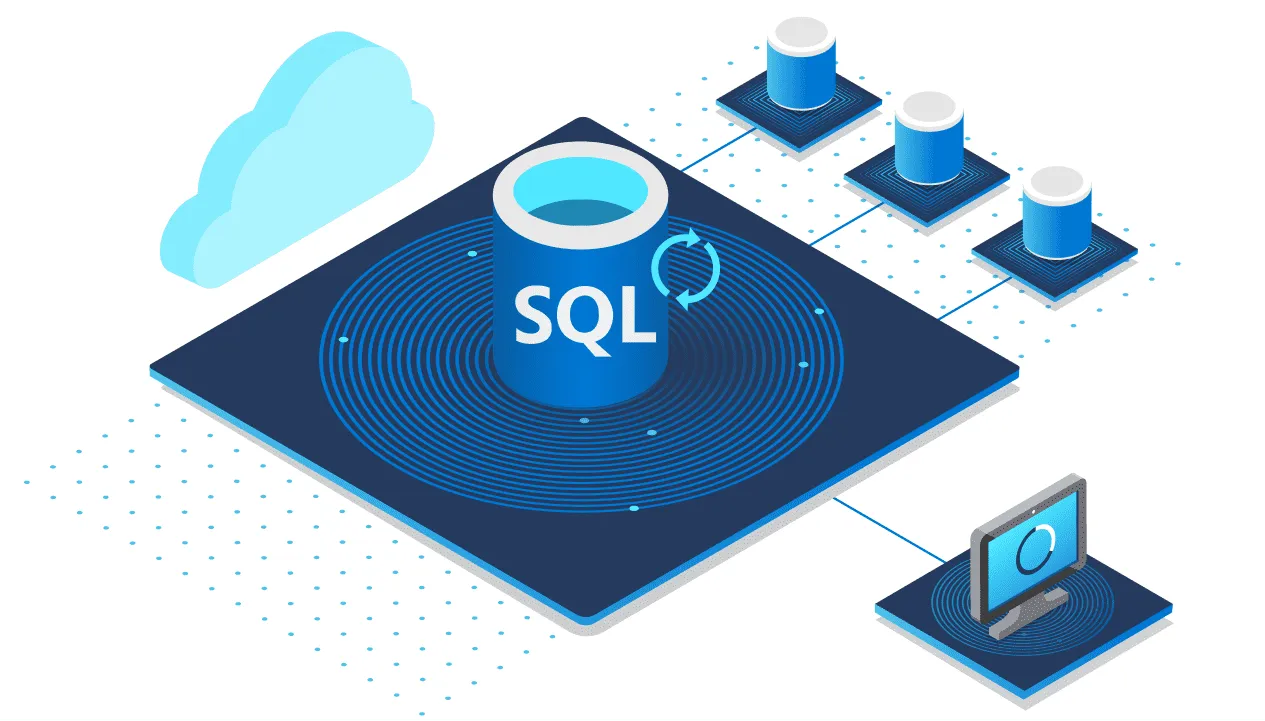
How to optimise Azure SQL Database from a FinOps angle — DTU vs vCore sizing, elastic pools, serverless compute, and reservations that pay off.

Frugal Architecture
How to design a data-warehousing solution that processes Azure billing data at scale and turns it into FinOps reports. Part 1 of 4.

Finops
FinOps moves cloud cost from a finance-team problem into an engineering metric — what changes when every team treats spend as part of their KPI.

Finops Framework
Inform, Optimize, Operate — the three FinOps phases that turn cloud cost chaos into a repeatable, business-aligned operating discipline.

Finops Framework
The FinOps Foundation's six principles, explained: collaboration, ownership, business value, accessible data, central team, and variable cost models.

Finops
FinOps vs DevOps: how the two disciplines differ, where they overlap, and how to integrate them for cloud cost control without slowing delivery.

Finops
FinOps is the operating practice that gives engineering, finance, and product a shared way to decide what cloud spend is worth — and what to do.

Finops Tools
An overview of cloud cost optimization tools — first-party native tools versus third-party vendors, and the trade-offs that decide which fits.

Finops
The four pillars of cloud optimization — cost, performance, security, and scalability — and the practices that keep each from drifting out of balance.

Cost Optimization
Cloud optimization, defined: how to balance workload performance, cost, and security continuously so resources match what each application actually needs.

Frugal Architecture
Azure Storage A to Z: every service, how each tier prices, and the optimization plays that cut storage bills without losing availability.
Finops
The three most common (over)expectations CIOs and CFOs hold about cloud cost management — and the truths that change how the strategy actually works.